
Perennials carry a quiet confidence in the landscape. They settle in, endure a few seasons of weather and whim, and then reward patience with reliable bloom cycles or graceful foliage that anchors a yard. For homeowners who want beautiful spaces without constant fussing, perennials are the foundation plants that make garden landscaping feel effortless. The trick is to choose varieties that match your climate, soil, and sun exposure, then group them in a way that looks intentional through all four seasons. That is where practical experience matters, and where a good landscaping service earns its keep. Over decades of trial gardens and client sites, a few patterns show up again and again: certain plants behave, thrive, and keep the maintenance reasonable.
This guide packs the perennials that deliver, with notes on placement, pairing, and upkeep. It also covers the subtle choices that separate a neat, coherent landscape from a hodgepodge of pretty flowers. If you want a yard that gets better every year, start here.
What Makes a Perennial “Effortless”
Effortless does not mean neglect. Even a low-maintenance garden needs spring cleanup, occasional dividing, and irrigation during a heat wave. What you can avoid is constant replanting, staking, deadheading, and pest battles. I look for six traits when recommending perennials to clients who prefer light touches over intensive garden work.
- Durability across seasons. Good perennials ride out droughts, late frosts, and the odd missed watering can. If one sulks at the first sign of stress, it belongs in a collector’s bed, not the backbone of a front yard. Clean architecture. Plants that fall apart after bloom, flop without support, or brown out from the center create chores. Choose varieties with strong stems, tidy forms, and foliage that remains attractive after flowering. Long performance windows. Extended bloom, good rebloom with light shearing, or foliage that carries color from spring through fall extends value. Garden beds look finished when the supporting cast does more than a two-week show. Pest and disease resistance. Powdery mildew and rust make a mess fast. Avoid known troublemakers in your region, or select improved cultivars with proven tolerance. Reasonable spread. Plants that respect their neighbors save you from constant editing. Spreading is fine if it is predictable and easy to rein in with a spade. Compatibility with irrigation and lawn care. If you use overhead sprinklers or have a lawn care schedule that includes fertilization near beds, choose plants that do not resent a bit of overspray or richer soil.
A professional landscaping company will screen for these traits during the design phase, matching plant palettes to your microclimates and maintenance appetite. But homeowners can apply the same thinking and make smart decisions plant by plant.
Perennials That Do the Heavy Lifting
There is no single best list for every region, yet some genera are dependable across wide zones with the right cultivar selection. The following standouts have earned their reputation in mixed borders and front yard foundations from zones 4 through 9, with notes on exceptions.
Catmint and its easy elegance
Nepeta x faassenii, like ‘Walker’s Low’ and ‘Cat’s Pajamas’, is a workhorse. It blooms from late spring into early summer, takes a light shearing, and repeats. The foliage is clean, slightly gray, and aromatic, which seems to discourage deer and rabbits. It handles reflected heat along driveways and plays nice with roses, ornamental grasses, and alliums. When I inherit a space with uneven soil and a thin irrigation line, I often tuck in nepeta as a forgiving buffer while we sort out the infrastructure.
Care tip: After the first bloom flush, mow or shear to about half height, water once deeply, and expect a fast rebound. Avoid overfertilizing, which pushes floppy growth.
Coneflower that stays upright
Echinacea used to be easy. Then breeders chased colors and forms that looked great in the nursery pot but flamed out or flopped in the landscape. Choose named selections known for strong stems and perennial reliability, such as ‘Magnus’, ‘Pica Bella’, or the Prairie series. A healthy clump can deliver eight to ten weeks of bloom, draws pollinators, and gives you winter seedheads that feed birds. It tolerates lean soil and shallow watering once established.
Watchout: Some double-flowered or neon-colored cultivars weaken after two or three seasons. If you love the color, treat those as short-lived perennials and budget for replacements.
Daylilies that behave
Hemerocallis is nearly indestructible, which can be a blessing or a curse. Old roadside forms can swamp a bed, while modern rebloomers like ‘Stella de Oro’ can look tired if not divided. For front yard landscaping, I prefer tidy, mid-height cultivars with clean foliage and concentrated bloom periods: ‘Happy Returns’ for soft yellow, ‘Barbara Mitchell’ for pink, and ‘Autumn Red’ for punch. They knit slopes, handle salt along sidewalks better than many perennials, and provide a dependable midsummer show.
Maintenance: Groom spent scapes every few days during peak bloom to keep clumps neat. Every four to six years, divide and replant the outer fans, discarding the woody centers.
Salvia that draws bees for weeks
Salvia nemorosa and S. x sylvestris, especially ‘Caradonna’, ‘May Night’, and ‘Blue Hill’, put out a saturated purple or blue from late spring. A light shear after bloom encourages a respectable encore. The vertical spikes give structure among mounded plants and grasses. They rarely need staking and tolerate a range of soils as long as drainage is decent.
Irrigation note: Overhead watering during cool evenings encourages mildew on nearby plants. With salvia, I prefer drip or early morning overhead cycles that dry quickly.
Hellebores for winter dignity
Where winters are mild to moderate, Helleborus orientalis hybrids hold the fort when little else shows. They bloom as early as January in zone 7, often peaking in February or March, and retain leathery foliage through summer, providing evergreen mass in shade. They do not mind tree-root competition and look refined at entry walks and under open canopies. Modern strains offer clear whites, near-blacks, and gentle speckling.
Reality check: Old leaves can look rough by late winter. Cut them off at the crown as the flower stems rise, and the new foliage will carry the plant.
Hardy geranium that does not quit
Geranium ‘Rozanne’ deserves its awards. It weaves through the front of beds with blue-lavender bloom from early summer into fall, provided it has some moisture. It thrives in sun to part shade and plays well with roses, spirea, and dwarf conifers. If it sprawls beyond its bounds, just lift and flip a section back into place or make a quick trim. It recovers without drama.
Underused alternative: Geranium ‘Max Frei’ forms a tighter cushion with magenta bloom and suits smaller spaces.
Ornamental grasses that hold the design together
Perennials with movement keep beds from looking static. If you only add one grass, consider Pennisetum alopecuroides ‘Hameln’ or ‘Little Bunny’. They form neat mounds with fluffy bottlebrush blooms in late summer, turn warm tan in fall, and persist attractively through winter. In colder zones, switch to Panicum virgatum like ‘Northwind’, which stands upright through snow and wind. Both pair easily with coneflower, black-eyed Susan, and nepeta.
Maintenance: Cut back grasses in late winter to 4 to 6 inches. In small gardens, tie a twine belt around the clump before cutting to keep cleanup quick.
Black-eyed Susan for late summer cheer
Rudbeckia fulgida ‘Goldsturm’ is the old standard, bright and reliable from July into September. It fills space where spring bloomers are resting and tolerates heat on bare slopes. If you have high humidity and mildew pressure, consider newer selections like ‘American Gold Rush’, bred for leaf-spot resistance while keeping the classic look.
Placement tip: Front-yard beds benefit from a swath of yellow repeated two or three times. It reads as intentional from the street and blends with brick, stone, and siding colors.
Coreopsis that floats
Coreopsis verticillata ‘Zagreb’ or ‘Moonbeam’ creates a soft haze of bloom over fine foliage during early summer, then pulses again with a light trim. It is a good edge plant that drapes gracefully over boulders and sunlit paths. It asks for full sun and well-drained soil.
Soil caution: Heavy clay turns coreopsis sulky. Amend with grit or choose a different plant for wet spots.
Sedum that earns every square inch
Stonecrop, especially Sedum ‘Autumn Joy’ and its more compact cousin ‘Autumn Fire’, provides a tidy dome of blue-green foliage that ends the season with dusky rose flower heads. It thrives in heat, shrugs off drought, and plays nicely with grasses. As the blooms age, they dry to rich rusts, holding interest until snow. In urban courtyard beds with reflected heat, sedum is one of the few perennials that never complains.
Best practice: Avoid high-nitrogen fertilizers nearby, which can make sedum lanky. If a clump flops, divide it the following spring and replant the outer divisions.
Heuchera for leaf color in shade
Coral bells bring burgundy, caramel, or lime foliage into dappled light, extending the color palette beyond flowers. Look for varieties with proven heat tolerance and strong roots like ‘Caramel’, ‘Obsidian’, and ‘Green Spice’. Many heuchera are evergreen in mild climates, making them useful near entryways and patios. The tall, airy bloom wands add a light touch in late spring.
Reality check: Some fancy cultivars decline after two or three years, especially in humid summers. Plan to refresh with divisions or treat a few as rotate-in accents.
Hostas that carry a whole bed
In colder zones and shaded sites, hostas are the backbone. Not all are slug bait. Thicker-leafed varieties like ‘Sum and Substance’, ‘June’, and ‘Halcyon’ resist chewing better. Paired with hellebores and ferns, hostas create a layered woodland look that reads lush from the porch. They also tolerate the edge of lawn where irrigation overspray is common, a practical consideration in many suburban landscapes.
Maintenance: A fall cleanup of collapsed leaves helps keep slugs in check. In slug-prone areas, sprinkle iron phosphate bait in spring when leaves poke up.
Peonies for spring spectacle without drama
Herbaceous peonies behave once established. They need sun, decent drainage, and patience during year one. By year three, they deliver a week or two of unbeatable bloom, then carry the bed with elegant foliage through summer. Intersectional peonies, a cross between tree and herbaceous types, have stronger stems and wider color range. After the show, low mounding plants like catmint or hardy geranium hide the fading peony stems.
Lawn care note: Skip the heavy fertilizer near peonies. Too much nitrogen invites botrytis and floppy growth.
Bearded iris for architectural punctuation
A little iris goes a long way. Use them as a vertical accent at a corner or near a path. Their swordlike leaves contribute structure long after bloom. They appreciate full sun and lean soil. To keep them effortless, plant rhizomes shallow and divide every three to five years before they crowd. Trim flower stalks promptly; leave the foliage until late summer.
Caveat: In humid climates, iris can harbor borers. If your region is prone, consider Siberian iris instead. You keep the blade-like texture with fewer pest issues.
Yarrow for drought-tolerant color plates
Achillea millefolium selections like ‘Moonshine’ and ‘Terracotta’ are reliable in poor soils where other perennials stall. They bring flat-topped clusters in lemon, apricot, and brick shades and bloom for extended periods if deadheaded. They blend easily with ornamental grasses and look at home in gravel gardens. Left to seed lightly, they knit a space gracefully.
Containment: Some yarrows spread more than expected in rich soil. If you run a robust irrigation program, go with clumping types and keep the soil on the lean side.
Layering That Looks Good Year Round
Picking good plants is step one. Arranging them into a composition that looks intentional for twelve months is the piece that often needs a professional touch. The goal is to create layers that carry different moments of peak while always presenting tidy structure.
Start with bones. Boxwood, dwarf yaupon holly, or columnar junipers provide evergreen shapes. Even one or two clipped forms in a bed of perennials give winter presence. If you dislike formal hedges, low mounded evergreens deliver the same function without the topiary vibe.
Build a mid-story of perennials with strong foliage mass. Hellebores, hostas, peonies, and grasses create the “furniture” of a bed. Place them in predictable rhythms: a hosta every four to five feet in shade, or a grass every six feet in sun. This spacing keeps the eye moving and the lawn edge readable.
Thread in long-bloomers and seasonal stars. Nepeta, salvias, hardy geranium, and yarrow act as color carriers. Drop them between your mid-story anchors and repeat them down the bed. Seasonal spikes like bearded iris or alliums can rise through the matrix for moments of drama.
Finish with edges that stay neat. Coreopsis, low sedum, and dwarf catmint soften hard lines where stone meets bed without swallowing pathways. In lawn-to-bed transitions, choose plants that tolerate string-trimmer mishaps and irrigation overspray.
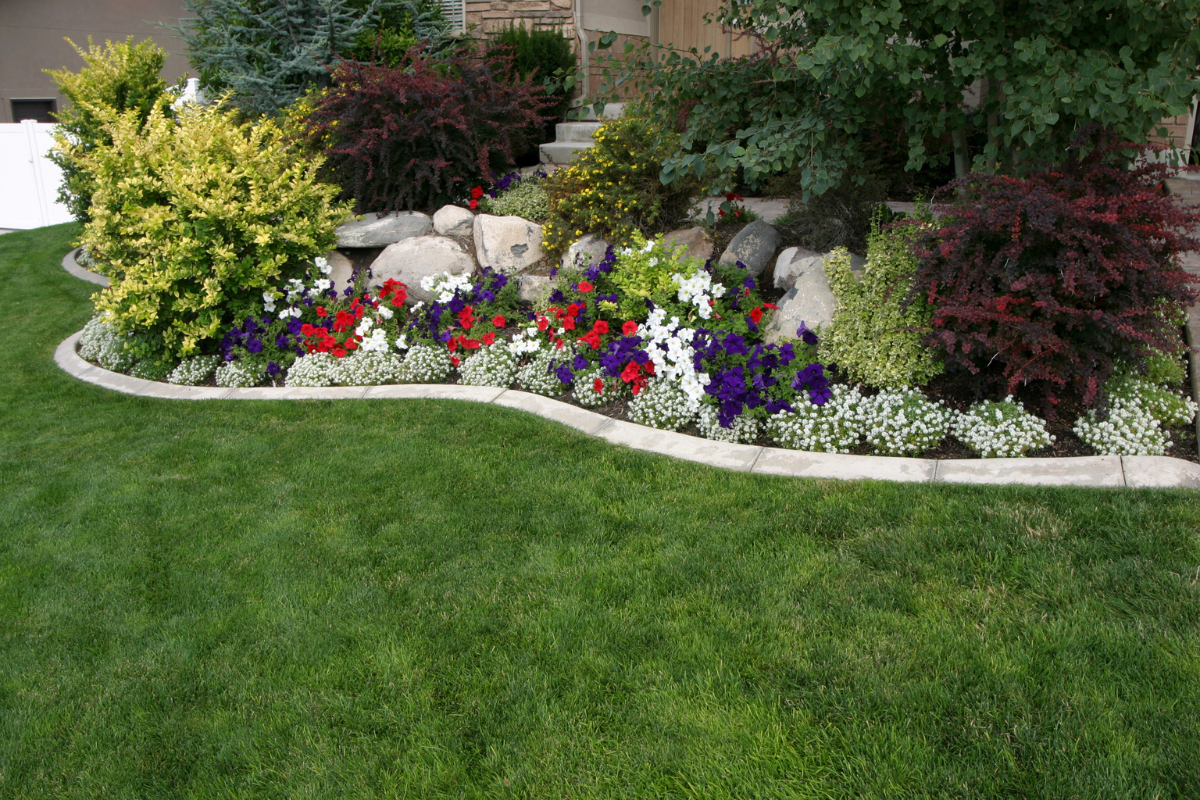
A reliable layout pattern for a 4 to 6 foot deep front border is a triangle arrangement. Place taller perennials and small shrubs in the back third, mid-height filler in the middle third, and low bloomers and groundcovers in front. Stagger heights so no row reads as a straight line. With repetition, even a dozen plant types will feel calm and unified.
Soil, Water, and the Difference Between Thriving and Surviving
Even the toughest perennial struggles in the wrong soil. Before you start, test your soil texture by feel. If a squeeze creates a slick ribbon that holds together beyond an inch or two, you have clay. If it crumbles the moment you open your hand, you are sandy. Most perennials prefer a loam that forms a short crumbly ribbon. If your soil is far from that, adjust strategy.
- In clay, focus on drainage. Elevate beds by 4 to 8 inches with compost blended with expanded shale or coarse sand. Avoid overdigging wet clay, which destroys structure and creates a bathtub. Choose plants with clay tolerance, like daylilies, rudbeckia, and panicum. In sand, build sponge. Add compost and a bit of biochar to improve water holding. Drip irrigation beats sprinklers here. Plants like salvia, sedum, and yarrow will accept the lean conditions, but regular doses of organic matter will stretch your irrigation intervals. In mixed urban fill, expect surprises. You might hit subsoil, rubble, or compacted layers. Use a broadfork or mechanical aeration to open channels, then topdress annually with compost. Deep-rooted grasses and perennials will help rehab the soil over time.
Watering sets the tone for maintenance. A common mistake is shallow, frequent cycles that keep roots near the surface. During establishment, water deeply, then let the top inch of soil dry. After the first season, many of the perennials above can shift to once per week deep watering in average conditions. In heatwaves, add a second cycle. A landscaping company with smart controllers and moisture sensors can tune this precisely, but a homeowner with a screwdriver can do a lot by checking moisture depth.
Mulch helps, but think of it as a tool, not a cure. Two inches of shredded bark or pine fines suppress weeds and moderate soil temperature. Avoid thick layers that suffocate crowns. In gravel gardens, a two-inch granite or pea gravel topdress pairs well with drought-tolerant perennials like sedum and yarrow and cuts back on slug habitat.
Matching Perennials to Maintenance Style
Different households use their yards differently. A busy family with a dog needs forgiving, resilient edges and quick cleanup. An avid home gardener may happily deadhead twice a month to chase rebloom. Align your plant palette to the maintenance style you will actually sustain.
If upkeep must be minimal, favor plants that look tidy without deadheading and can be cut back all at once in late winter. Grasses, hellebores, hardy geranium, sedum, and many hostas fit this profile. Avoid plants that require constant grooming or staking, such as tall monarda in humid climates or double coneflowers prone to collapse.
For people who enjoy tinkering, add long-bloomers that reward attention. Salvias, nepeta, and coreopsis all respond to a midsummer haircut with a fresh flush. This is the sweet spot for those who want a colorful garden that changes month to month.
If you rely on a landscaping service for seasonal refreshes, group plants by maintenance task. Put all the shearing candidates in one section so the crew can trim quickly. Consolidate division-prone clumps in a bed you can tackle in one morning each spring. Clear instructions paired with smart grouping can reduce labor hours by a quarter, which shows up on your invoice.
Front Yard Curb Appeal vs. Backyard Sanctuary
Front yard plantings should behave. They carry public-facing duty, and neatness counts. Use a tighter palette, repeat key plants, and lean on evergreen structure. I rarely include more than three flower colors in a single front bed: one dominant, one accent, one neutral. Think blues and purples with white, or yellows with soft pinks and silvers. Nepeta, salvia, pennisetum, and rudbeckia in repeated drifts make a front yard read as composed from the street.
Backyards can stretch into longer bloom sequences and looser forms. That is where you can tuck in collector’s items and test newer cultivars. If something misbehaves, it does not matter as much. Use taller perennials like Joe Pye weed or miscanthus as living screens, and let the pollinator magnets like echinacea and yarrow dominate.
If you entertain outdoors in the evening, choose plants that catch low light and show pale blooms. White coneflowers, ‘Moonbeam’ coreopsis, and the seed heads of grasses glow around patio lighting. Fragrance matters too. Add a drift of lavender or dianthus near seating where its scent registers even in a light breeze.
How Lawn Care Interacts With Your Perennial Beds
Lawn and garden share borders, and what you do on one side affects the other. Fertilizer applied to turf can leach into beds, pushing leafy growth at the expense of flowers. If you run a high-nitrogen lawn program, choose perennials that do not mind richer soil, like daylilies and rudbeckia, along the edge. Keep sensitive plants like sedum and lavender a bit further in.
String trimmers can shred low foliage. Use a crisp steel or stone edging and plant a short durable buffer row along the lawn: dwarf catmint, low sedum, or even liriope in warmer zones. This sacrificial edge takes the abuse and keeps your finer perennials intact.
Irrigation overspray is another cross-border issue. Turf often needs more frequent watering than established perennials, especially in heat. If spray heads hit beds daily, shift the plant palette to species that tolerate or prefer that pattern, like hostas, hardy geranium, and hellebores in shade, or catmint and daylilies in sun. A landscaping company can retrofit zones and nozzles to reduce https://johnnyedmb632.raidersfanteamshop.com/creating-privacy-with-garden-landscaping-and-hedges waste and keep each area on an appropriate schedule. Well-tuned zones can cut water use by 20 to 30 percent without compromising either lawn or beds.
Simple Seasonal Rhythm That Works
Perennials repay consistency. You do not need intricate calendars, just an annual rhythm that keeps beds healthy and good-looking.
- Late winter. Cut back grasses and any perennials left standing for winter interest. Groom hellebores by removing old leaves. Topdress with a light layer of compost, then reapply mulch where it has thinned. Late spring. Edge beds sharply and adjust irrigation. Stake only if truly necessary. Shear early bloomers like nepeta and salvia after their first flush. Midsummer. Water deeply during heat, watch for pests, and deadhead if you enjoy the task. Divide or move any plants that have clearly outgrown their space once the heat breaks. Early fall. Plant new perennials for strong root establishment. Divide overgrown clumps like daylilies or hardy geranium. Let grasses and sedum color up for fall interest. Late fall. Remove diseased foliage, but leave clean seedheads for birds and winter texture. In colder zones, set markers where crowns might be hard to find under snow.
This cadence keeps maintenance to a handful of focused sessions. If you use professional landscape maintenance services, share this rhythm so it aligns with their visit schedule.
Pairings That Rarely Miss
Some combinations have a way of making each other look better. If you are unsure where to start, these pairings have proven themselves across many projects.
- Nepeta ‘Walker’s Low’ with rose ‘The Fairy’ and pennisetum ‘Hameln’. The blue haze, pink clusters, and tan foxtails create a three-season front border with minimal fuss. Hellebores under a Japanese maple, with hakonechloa grass and ‘June’ hosta. Four-season texture in shade that reads calm and refined. Echinacea ‘Magnus’ with Panicum ‘Northwind’ and rudbeckia ‘Goldsturm’. Upright grass keeps the daisies in order, and the color echo feels pulled together from across the yard. Geranium ‘Rozanne’ weaving through boxwood spheres with white alliums in late spring. The geranium softens the structure without losing clarity. Sedum ‘Autumn Fire’ with lavender and dwarf Russian sage. Dry, sunny slope solution that smells good and looks elegant even in August heat.
Each of these mixes follows the same principles: a backbone of structure, a color carrier that blooms long, and a seasonal accent that changes the scene for a few weeks.
When to Call in Landscape Design Services
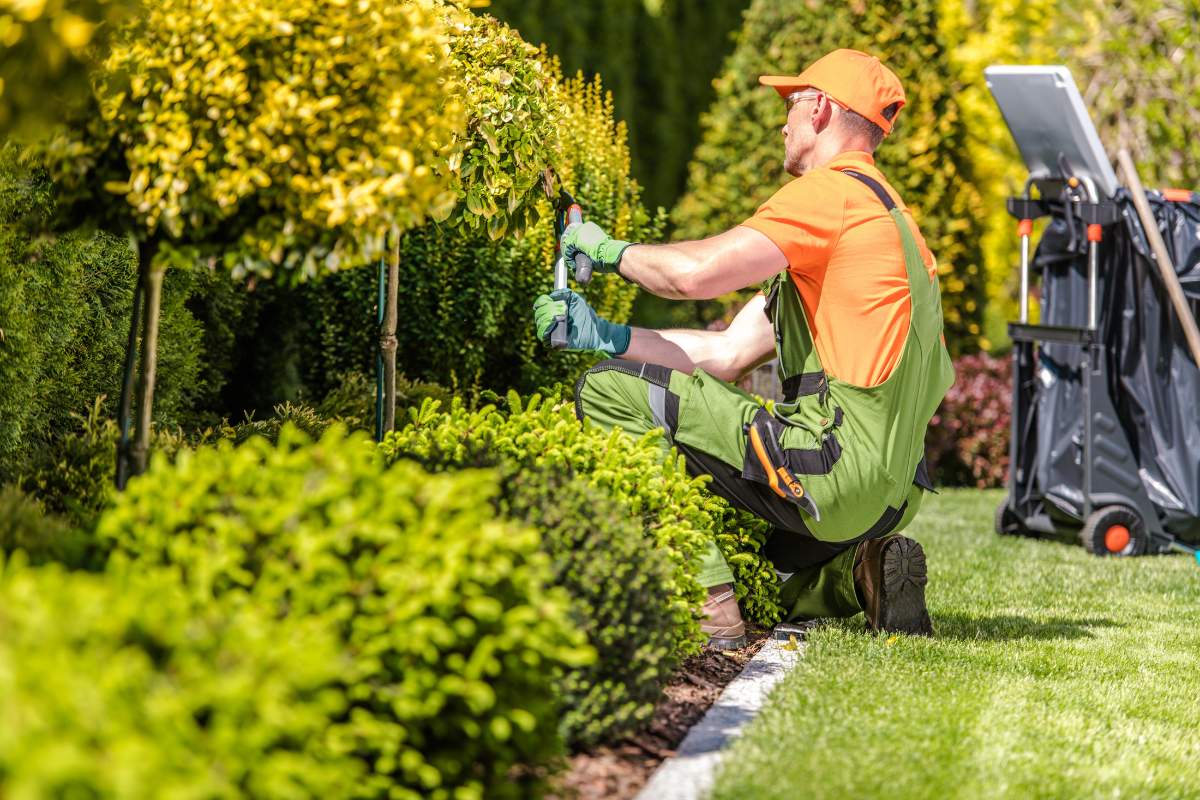
Most homeowners can handle bed prep and planting weekends. Where a landscaping company proves its value is in three scenarios. First, when grading and drainage need correction. Water that sits where perennials live sets up years of struggle. Second, when you want a phased master plan that anticipates growth. Professionals map mature sizes, ensure sightlines to windows and paths remain open, and keep utilities accessible. Third, when you need a maintenance plan that fits your time and budget. Landscape maintenance services can group tasks, set irrigation, and schedule seasonal work so that the garden looks tended without feeling overworked.
A reputable firm will walk your site, probe the soil, note sun angles at different times of day, and ask about your habits. Do you travel in summer? Do you run sprinklers daily for the lawn? Do you entertain at night? The answers steer plant choices more than any trend list. If you already have a favorite nursery or some plants you love, bring them along. A good designer can usually integrate a client’s must-haves without compromising the overall coherence.
Budgeting Smartly for Perennial Landscapes
Perennials can save money over time compared to annual-heavy plantings, but you still have to invest up front. A practical approach is to plant anchors first, then fill in over two seasons. Start with the larger perennials and grasses at the proper spacing so you are not tempted to cram. Use a light mulch to keep weeds down while the bed matures. In year two, evaluate gaps and repeat the most successful performers to build rhythm.
For a typical 40-foot front border, expect to spend 1,200 to 3,000 dollars on plants if you use gallon sizes and a balanced mix. Installation by a landscaping service adds labor and site prep, but the payoff is clean lines, consistent spacing, and immediate curb appeal. Over the next three to five years, the maintenance hours will stabilize as the plants knit together and suppress weeds, especially if you stick with the easy-care choices outlined here.
The Quiet Payoff of Perennials
Effortless gardens are not lazy gardens. They are systems that run smoothly because each component pulls its weight. Perennials deliver that kind of efficiency: long-lived structure, seasonal moments of joy, habitat for pollinators, and a sense that the yard belongs to the place. When you choose plants that stand up to your conditions and group them with intention, you spend more time enjoying the space and less time battling it.
The next step is simple. Walk your site at different times of day, note sun and shade, soak a shovel of soil and see how it behaves, then pick a handful of the perennials above that match those realities. Layout a few repeating drifts, leave room for growth, and commit to that easy seasonal rhythm. If the project feels bigger than a weekend, bring in landscape design services to dial it in. The result is a garden that settles in, looks finished most of the year, and asks very little in return. That is the heart of effortless garden landscaping.
Landscape Improvements Inc
Address: 1880 N Orange Blossom Trl, Orlando, FL 32804
Phone: (407) 426-9798
Website: https://landscapeimprove.com/